
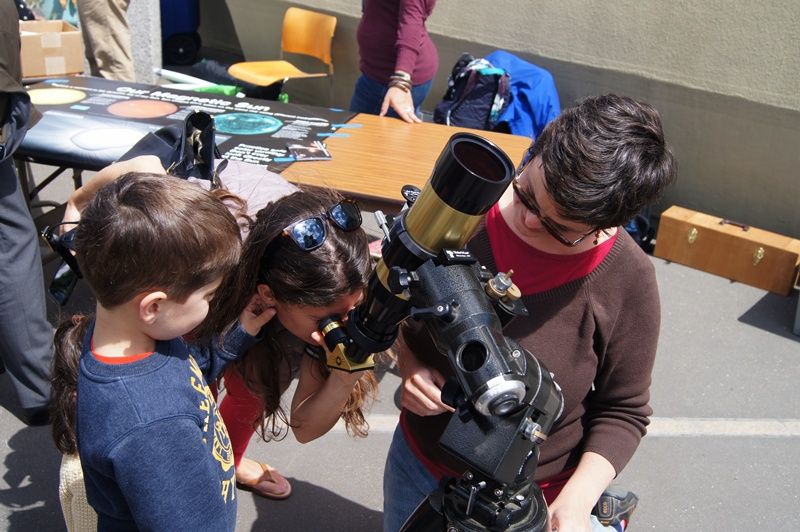
Join the ASP Community!
Are you passionate about astronomy education and making a difference in science literacy? The ASP welcomes all astronomy researchers, scientists, students and educators from “star gazers” to “explorers” to participate in and support our mission.
Joining the ASP community has a long-standing history over its 134 years and continues to change with the times. We offer a welcoming and affordable fee of $20, with additional levels also available.
ASP Community Levels
| Level | Rate | Community Benefits |
|---|---|---|
| Friend | $20 per year | Bi-monthly AstroBeat – archives and current |
| Supporter | $180 per year or A Recurring $15/month contribution | AstroBeat, 10% discount to Workshops, Gala, & Conf., AstroShop, acknowledgement in our Annual Report |
Get Involved! Join Our Mailing List!
Sign up for our newsletters to receive monthly Event Calendar with free webinars, workshops, conferences, and other noteworthy partner events.
MyASP Portal Access
Friends and Supporters of the ASP Community, based on their level benefits, can use the MyASP Portal to:
- Access AstroBeat and complete collection of articles (All partners)
- Receive 10% discounts at the AstroShop, Annual Gala, and select events (Supporters only)
